David B. Agus’ ‘The End of Illness’ explores health, emphasizing personalized treatments, skepticism in health claims, and balancing lifestyle and technology to achieve optimal wellness.
Main Lessons
- The human body is complex, making one-size-fits-all treatments ineffective, especially for chronic illnesses.
- Cancer symbolizes a unique systemic breakdown, not eradicated by a ‘magic bullet’.
- Accepting bodily complexity is crucial for finding suitable treatments.
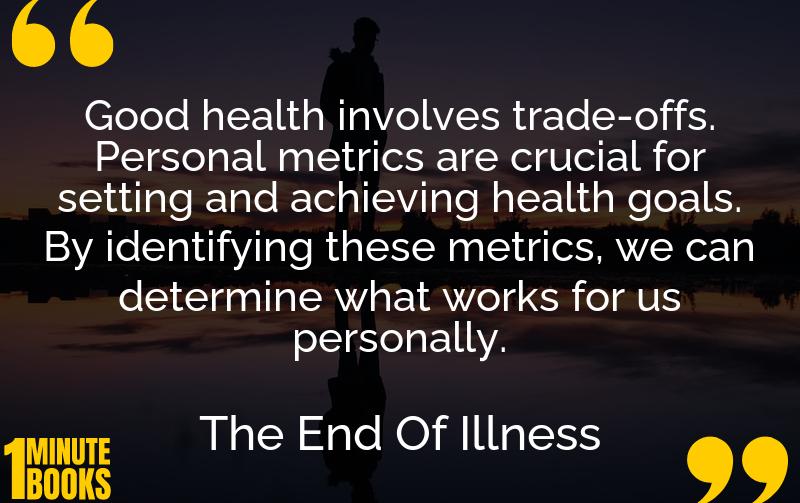
- Health involves trade-offs; personal metrics guide health goals.
- Control your health by understanding and tracking metrics like weight and habits.
- Skepticism towards health studies is vital; avoid blindly accepting claims.
- Vitamins are essential but typically excessive in supplement form.
- Exercise counters the sedentary habits caused by modern technology.
- Sitting long hours increases the risk of heart disease and obesity.
- Sharing health data digitally can personalize treatments and predict outbreaks.
- Optimal health isn’t about pills but daily habits, diet, and exercise.
- Adapting to new information is key to discovering your best self.