Ian Leslie’s ‘Curious’ explores the nature of curiosity, its impact on learning and creativity, and the balance between specialization and generalization in knowledge acquisition.
Main Lessons
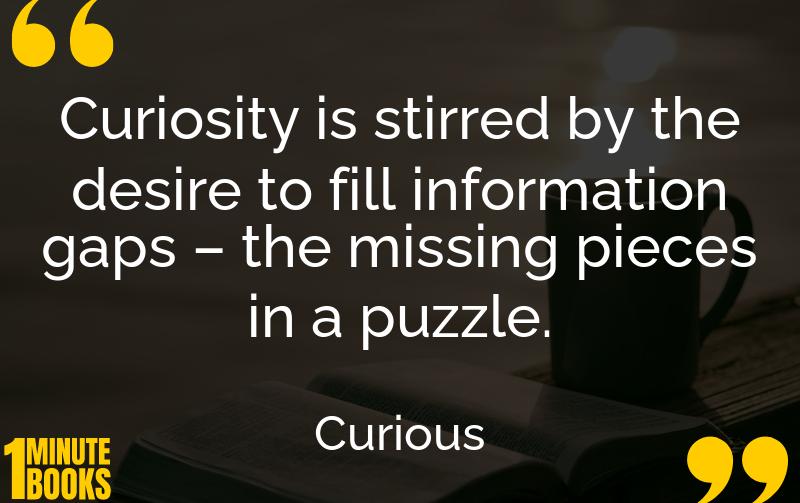
- Curiosity is triggered by information gaps and bridges existing knowledge with intriguing unknowns.
- Diversive curiosity leads to new experiences but can be shallow, while epistemic curiosity requires focus and depth for learning.
- A balance between diversive and epistemic curiosity enhances effective learning.
- Nurturing curiosity from childhood sustains an inquisitive mindset throughout life.
- The internet’s accessible knowledge can diminish curiosity by filling information gaps too readily.
- Question-asking is vital for fueling curiosity and preventing intellectual stagnation.
- Knowledge and creativity complement each other, with a strong foundation aiding creative connections.
- Success in the modern world often requires being both a specialist and a generalist.
- Choosing a curious perspective can make mundane topics fascinating and engaging.
- Sustaining creativity in the digital age demands cultivating diverse knowledge and interests.