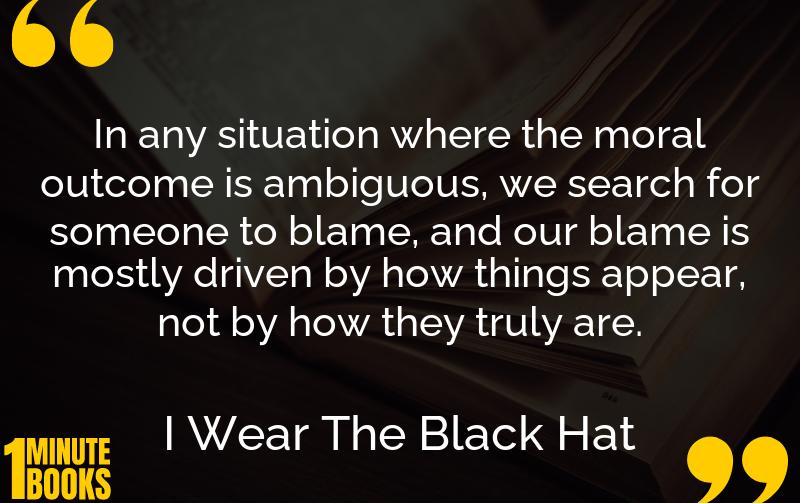
Chuck Klosterman explores why society is fascinated by villains, dissecting the nature of evil, contrarianism, and public perception in modern culture.
Main Lessons
- Society’s definition of a villain shifts over time, influenced by cultural norms and technological advancements.
- The once-daring has become normalized, as cultural taboos diminish and acceptance grows.
- Media and technology erode privacy, making personal lives more public and intertwined.
- Legality can transform perceptions overnight, as seen in the changing views on marijuana use.
- The impact of perspective: actions deemed villainous from one angle might seem justified from another.
- Public figures and celebrities often skate the line between rebel and villain, defined by public opinion.
- Villainy can be more about ignorance and indifference than active malice.
- Moral ambiguity: identifying true villainy requires understanding intent and context.
- Modern culture occasionally glamorizes illegal or risky behavior, impacting societal norms.
- Historical events and figures exemplify how villain status can be subjective and relative.
- Individuals often grapple with the moral dilemma of personal sacrifice versus greater good.
- The complexity of accountability and redemption in those labeled as ‘villains’.
- Social boundaries and what is ‘acceptable’ continue to expand, challenging historical moralities.