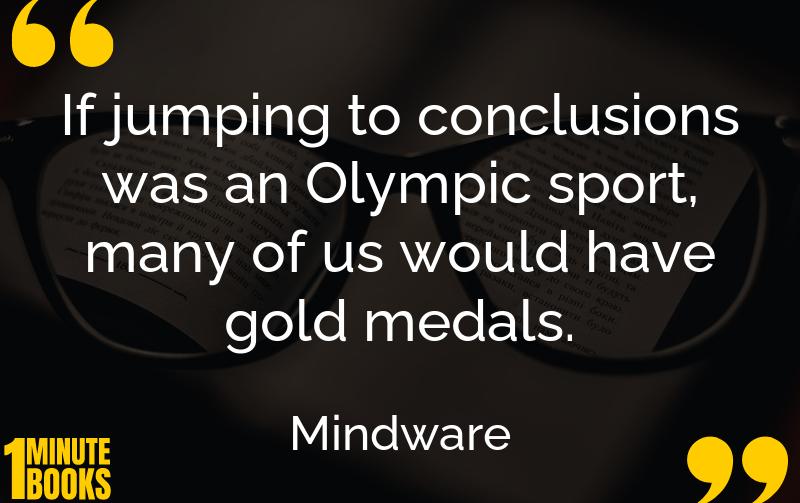
Mindware by Richard E. Nisbett explores why humans make irrational assumptions despite considering themselves rational. It delves into logical fallacies like confusing correlation with causation and how mental shortcuts mislead decisions.
Main Lessons
- Irrational assumptions are part of human nature; recognizing this is the first step to improvement.
- Correlation does not always imply causation; distinguishing between the two is key to rational thinking.
- Logical fallacies, like the representativeness heuristic, can lead to errors in judgment.
- Improving critical thinking skills can reduce errors in decision-making.
- Whether in marketing or politics, emotional manipulation can cloud objective analysis.
- Understanding logical premises helps combat common traps set by media and advertising.
- Analyzing factual information behind claims can lead to more informed decisions.
- By staying aware of psychological principles, we can better understand and predict human behavior.
- Awareness of logical fallacies enables their avoidance, leading to more reliable thought processes.
- Sharpening one’s logical reasoning helps manage assumptions and improves communication.