This book explores the evolution of political order from prehuman times to the French Revolution, examining the development of states, the role of religion, and the balance between social and political structures.
Main Lessons
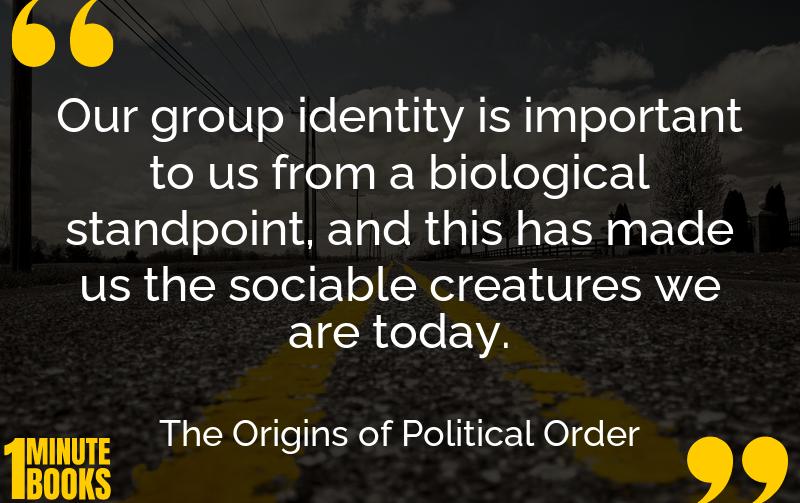
- Human sociability and cooperation are rooted in kin selection and reciprocal altruism.
- The evolution from tribes to states involved increased complexity in social and political organization.
- China pioneered early state formation, with a tension between Legalism and Confucianism.
- India’s caste system and religious hierarchical structures impeded centralization.
- Military slavery contributed to the centralization in Middle Eastern empires like the Ottomans.
- The Catholic Church in Europe weakened tribalism and influenced social norms.
- Authoritarian regimes in China and Russia maintained power without accountability.
- Corruption among elites in France and Spain influenced revolutionary movements.
- England’s constitutional development ensured protection for property and individual rights.
- State institutions must favor meritocracy and adaptability to avoid dysfunction.
- Economic growth, legitimacy, and social mobilization are key to stable societies.
- Denmark’s political stability was bolstered by education and social reforms.