Pankaj Mishra’s ‘Age of Anger’ explores modern political movements rooted in anger and resentment, crediting them to the global influence of capitalism and liberal democracy.
Main Lessons
- Modern political movements are driven by anger and resentment linked to capitalism and liberal democracy.
- Mishra challenges optimistic Western narratives of progress proposed by thinkers like Fukuyama and Huntington.
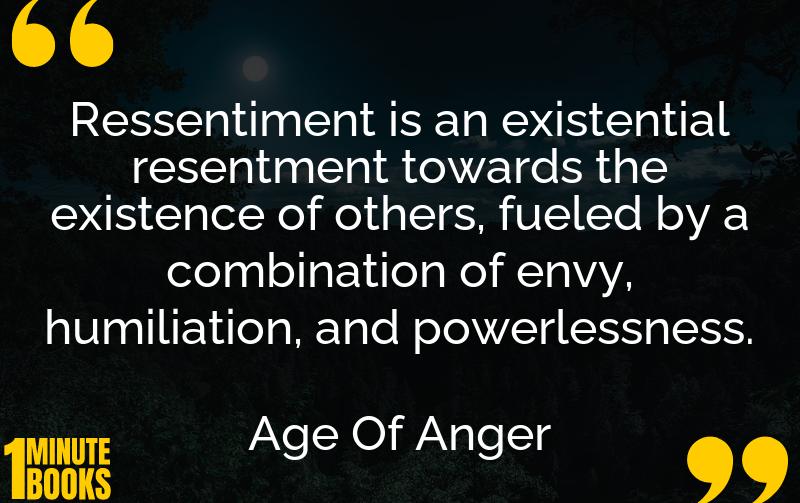
- Ressentiment is a key concept, describing a deep resentment fueled by feelings of envy and powerlessness.
- Modernization’s focus on individualism has led to alienation from traditional community structures.
- Economic opportunities are limited, often leading to resentment among those left behind.
- Fundamentalist movements arise from a sense of alienation and dislocation.
- Even the successful can feel disillusioned by the hollow promises of modern liberal democracies.
- Cultural resentments aren’t limited to terrorist groups but extend to political movements like Trump’s presidency and Brexit.
- Jean-Jacques Rousseau foresaw the challenges of modernity, advocating for morals and virtue over material wealth.
- To combat cultural supremacism and brutality, transformative thinking is needed both individually and societally.
- Mishra offers a critique rather than a solution to the cultural resentments propelled by modern global shifts.