This book explores the intersection of science and crime investigation, providing insights into how forensic discoveries, from DNA to entomology, help solve mysteries.
Main Lessons
- Forensic science plays a crucial role in modern crime investigation.
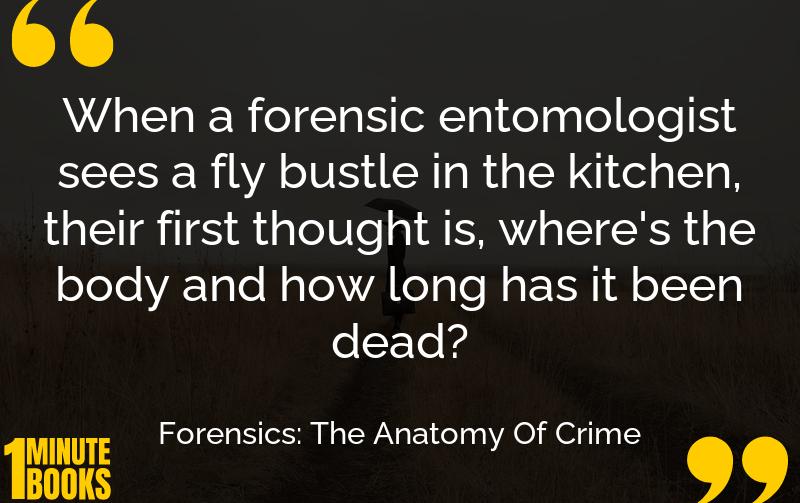
- The chronology of insect life cycles aids in determining time of death.
- DNA advances have transformed evidence from testimonial to scientific.
- Historical cases, like Dr. Crippen’s, highlight forensic evolution.
- Cases with emotional ties, like police officer Sharon Beshenivsky’s, underline forensic science’s human aspect.
- Despite its effectiveness, forensic science requires practitioners to remain humanitarians.
- Forensic processes can revolve around gruesome details, such as maggots on a body.
- Rapid DNA testing challenges traditional court systems.
- Scientific evidence is now the gold standard in courtrooms.
- Forensic scientists must balance empathy with objective analysis.
- Advancements in forensic technology have revolutionized crime-solving capabilities.
- Being emotionally invested can complicate forensic investigations.
- Forensic science melds biology, chemistry, and empathy in solving crimes.