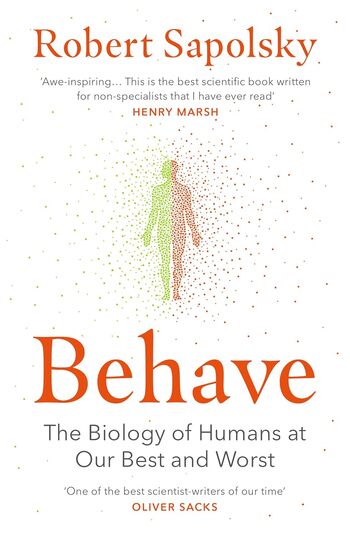
The book delves into the effects of stress on human health, explaining that stress is inevitable but can be managed. It offers strategies to balance stress and improve well-being by controlling what we can and reframing perspectives.
Main Lessons
- Stress is a natural response designed for survival, but excessive stress is harmful.
- Balancing stress levels can enhance productivity and maintain mental health.
- The sympathetic and parasympathetic nervous systems manage stress responses.
- High levels of glucocorticoids are linked to serious health issues.
- Our brains can perceive crisis situations without real threats, causing undue stress.
- Allostasis theory explains the body’s adjustment to stress through multiple small changes.
- Controlling stress helps manage life aspects like sleep, memory, growth, and immunity.
- Taking responsibility and seeking social support are effective stress-relief methods.
- Perception of poverty can induce stress, irrespective of actual wealth.
- Reframing situations can reduce the stress they might cause.
- Finding personal, healthy outlets like exercise can alleviate stress.
- There is no universal stress reliever; find what works for you.
- Reducing stress improves life quality and decreases the risk of stress-related illnesses.
- In stressful situations, knowing when to fight or let go is crucial.